Use Movement, Not Consequences
If you’re reading this during a time when routines are off, expectations are high, and everyone’s nervous system feels stretched thin, let me guess what your house sounds like right now:
More noise.
More sibling arguments.
More emotional outbursts.
And parents who feel overstimulated, exhausted, and quick-tempered themselves.
You’re not doing anything wrong.
What many parents don’t realize is that altered schedules, changes in weather/allergies, and increased parental demands dramatically impact the nervous systems of kids, especially children who are sensory-seeking, have ADHD, are autistic, or simply have high movement needs.
When kids don’t get enough movement, their bodies don’t settle. And when bodies don’t feel settled… behavior shows up.
Not because kids are being defiant.
Not because they need more discipline.
But because their nervous system is asking for input.
What If No Consequences Were Needed?
What if the yelling, running, crashing, arguing, and constant movement wasn’t something to stop, but instead something to respond to?
What if more movement, not more consequences, was the missing piece?
Why Behaviors Spike During Winter & the Holidays
During colder months and/or busy seasons:

Kids are indoors more
Routines are disrupted
Parents are stretched thin
Everyone’s sensory load goes up
Kids who rely on movement to regulate suddenly lose:
Recess
Outdoor play
Free movement
Predictable routines
And parents lose:
Quiet
Space
Capacity
Their own regulation
This combination shrinks everyone’s window of tolerance.
So kids:
Get louder
Argue more
Crash into things
Climb furniture
Struggle with transitions
Have bigger emotional reactions
And parents:
Feel touched out
Feel overwhelmed
React faster
Use consequence after consequence that doesn’t seem to help
This isn’t a parenting problem. It’s a movement deprivation problem.
Movement Is Not Extra. It’s Essential.
For sensory-seeking, ADHD, autistic, and high-movement kids, movement is how their body organizes itself.
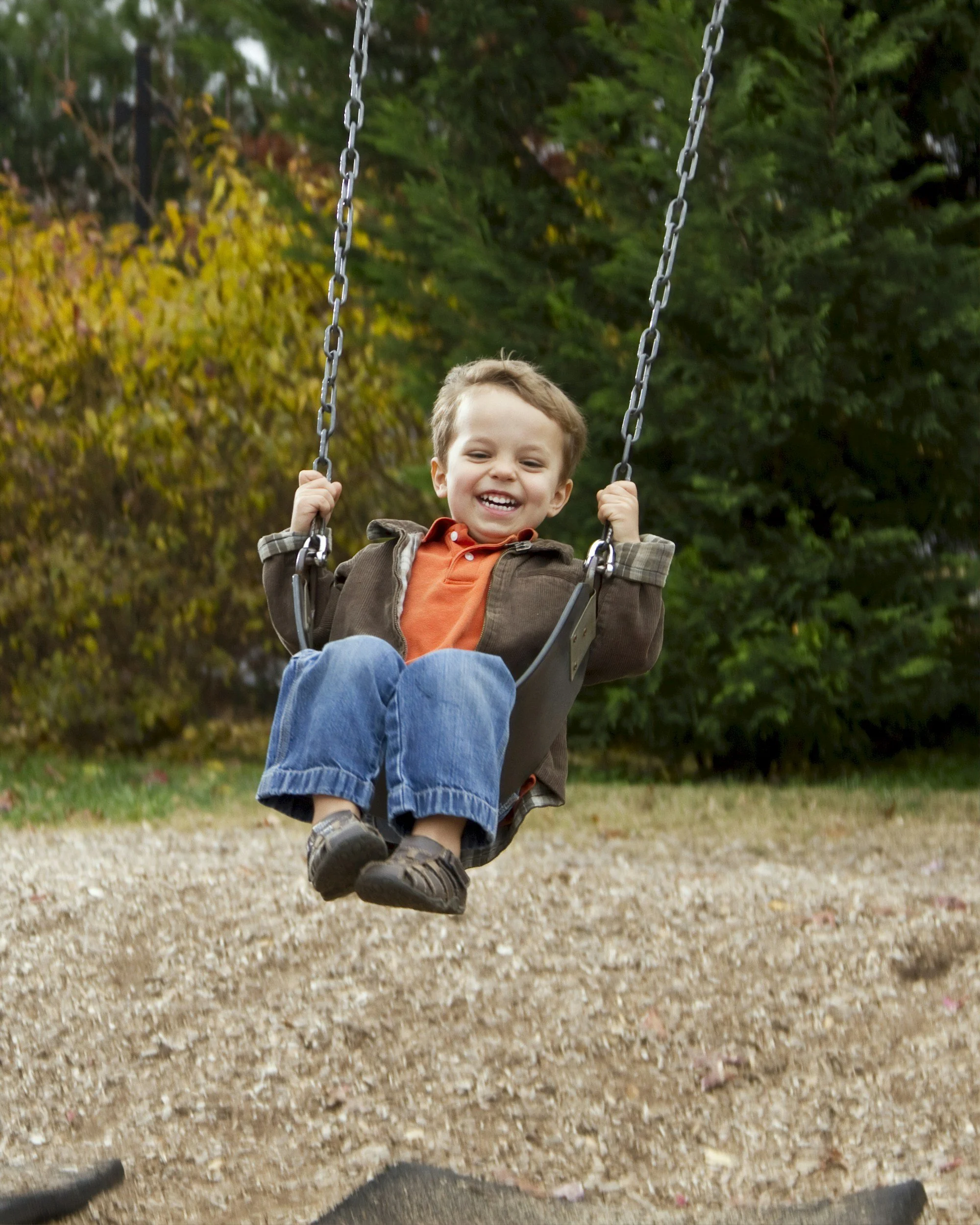
Movement helps:
Calm big emotions
Improve focus
Reduce impulsivity
Increase flexibility
Support sleep
Decrease power struggles
Build connection
And here’s the important part: The right kind of movement can change behavior without punishment.
Two Types of Movement That Change Everything
Let’s keep this simple.
1. Proprioceptive Movement (Heavy Work)
This is movement that uses muscles and joints. It’s grounding, calming, and organizing.
Think: pushing, pulling, lifting, squeezing, carrying.
2. Vestibular Movement (Balance & Motion)
This involves movement through space.
Think: spinning, swinging, rolling, jumping.
Both are important, but proprioceptive input is especially calming, while vestibular movement can energize or regulate depending on how it’s used.
How to Use Movement Intentionally (Instead of Reactively)
Instead of waiting for behavior to explode and then reacting, we schedule movement throughout the day.
Think of movement like meals. We don’t wait until kids are starving. We offer food regularly.
Movement works the same way!
Morning: Wake Up the Body (Sets the Tone for the Day)
Morning movement helps kids feel organized, wake up their brain, transition more smoothly, and reduce morning meltdowns.
Morning Movement Ideas
Proprioceptive (calming & grounding):
Wall push-ups (push the wall hard for 10 seconds)
Carrying a backpack, laundry basket, or groceries
Animal walks (bear crawl, crab walk, frog jumps)
Pushing chairs in
Helping make beds with heavy blankets
Resistance bands around legs or arms
Tug-of-war
Vestibular (wake up the system):
Jumping jacks
Trampoline jumps
Spinning in a chair (short bursts)
Rolling down a hallway
Dancing to music
Scooter board or blanket pulls
💡 Parent tip: Even 5–10 minutes of intentional movement in the morning can prevent hours of dysregulation later. Make this time fun and filled with coregulation.
Mid-Day: Reset the Nervous System (Prevent the Crash)
By mid-day, kids are often overstimulated, fatigued, struggling to focus, and are more irritable. This is where many behaviors show up.
Mid-Day Movement Ideas
Proprioceptive (organizing):

Pushing a loaded laundry basket
Carrying books or groceries
Play-Doh, slime, or theraputty
Hanging from a bar or doorway
Chair push-downs
Squeezing a pillow or body sock
Wheelbarrow walks
Vestibular (regulating):
Swinging
Spinning games (slow and controlled)
Obstacle courses
Rolling on the floor
Jumping onto cushions
Balance games
💡 Parent tip: If behavior is escalating, add movement before giving a consequence.
Often the behavior resolves because the body gets what it needs.
Evening: Calm the Body (Prepare for Sleep)
This is where many parents struggle the most. Kids seem wired. Parents are exhausted. Everyone’s patience is gone. The goal in the evening is slowing the nervous system, not suppressing energy.
Evening Movement Ideas
Proprioceptive (deeply calming):
Pushing against the wall
Yoga poses (child’s pose, downward dog)
Massage or lotion rubs
Bear hugs or squeezes
Rolling kids in a blanket like a burrito
Carrying stuffed animals to bed
Weighted blankets or lap pads
Gentle Vestibular (slow & soothing):
Rocking in a chair
Slow swinging
Gentle stretching
Slow dancing
Rolling a ball back and forth
💡 Parent tip: Avoid fast spinning or intense jumping close to bedtime. Slow, heavy movement helps kids settle.
What This Changes for the Whole Family
When movement is built into the day:
Kids feel understood
Parents feel less reactive
Behaviors decrease naturally
Connection increases
Power struggles reduce
Everyone’s nervous system feels safer
You may notice:
Less yelling
Fewer meltdowns
Easier transitions
Improved sleep
More laughter
More patience (for everyone)
And most importantly: You’re meeting the need instead of punishing the behavior.
A Gentle Reframe for Parents
Your child isn’t trying to be difficult. Their body is asking for help.
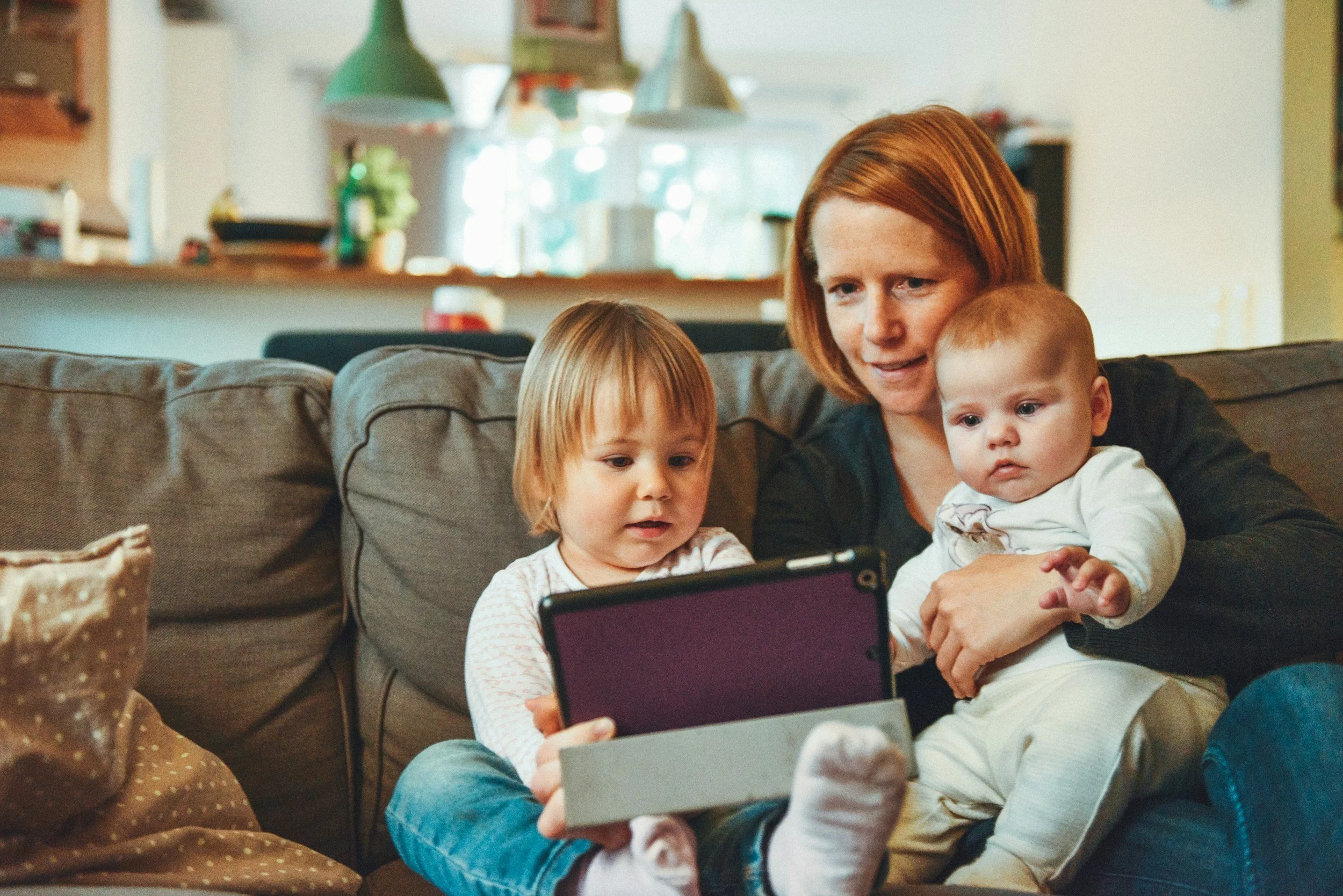
Movement is communication.
Behavior is information.
Connection is regulation.
Especially during busy seasons of life when everyone’s capacity is lower, movement can be the bridge back to calm for kids and parents alike.
If you’re feeling overwhelmed, start small. One movement break. One reset. One moment of understanding.
Sometimes the most powerful parenting shift isn’t doing more. It’s doing something different.
And often… It’s as simple as letting kids move.